

Where do mice live?
Mice may be small, but they are highly adaptable and can settle in all sorts of surprising places. From the fields and woodlands in which they belong, to the food-rich and sheltered environments in your kitchen or loft, mice are clever creatures thatmost of wherever they choose to nest.
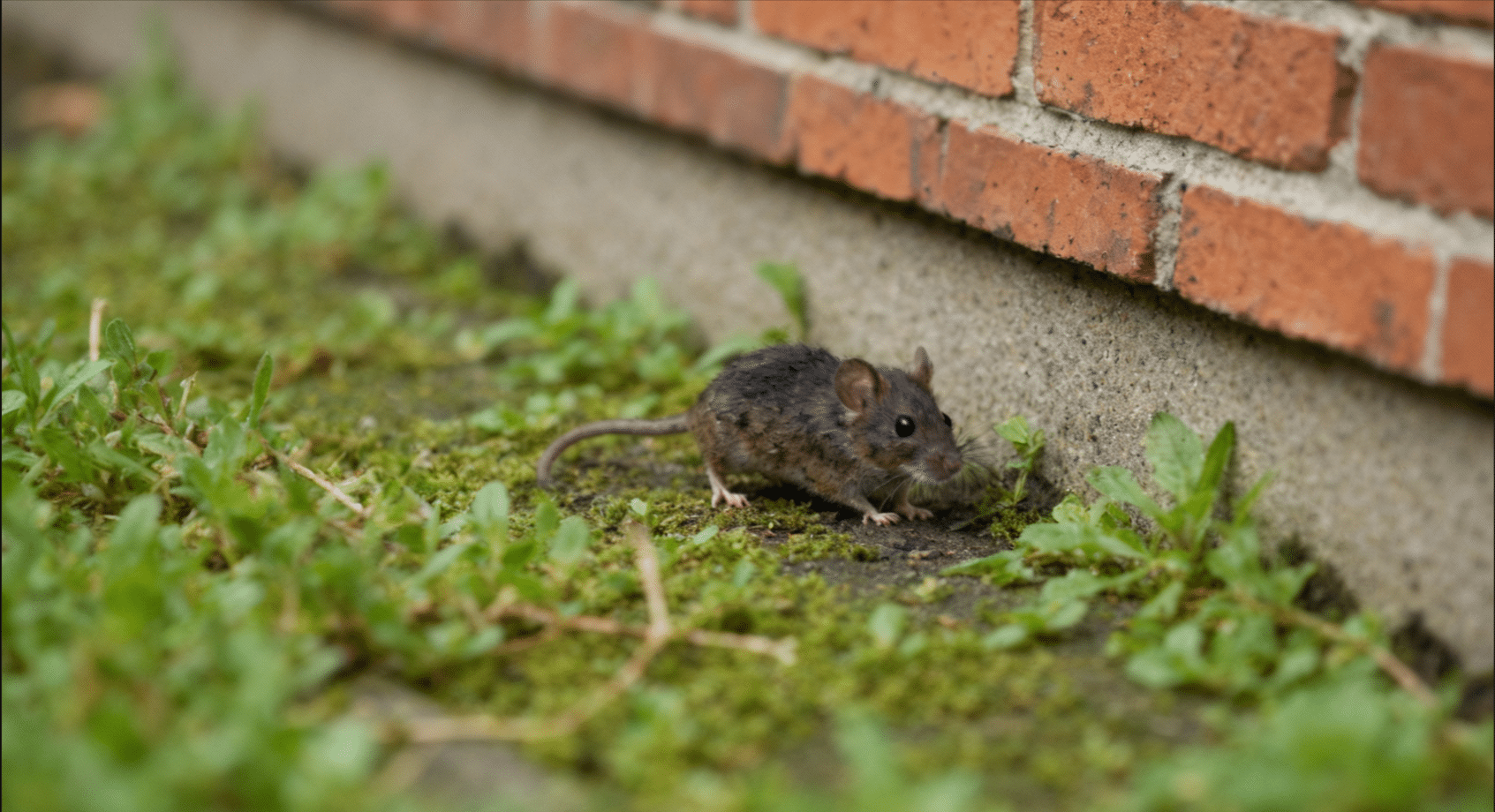
Natural Habitats of Rodents: Where Mice Live Outdoors – By Mice Control Specialists
In their natural environment, different species of mice make homes in various habitats across the UK. The most common types in the UK are as follows:
Wood Mice
Wood mice are a native species to Europe, as well as some regions in Northwest Africa. As the name suggests, wood mice mainly live in woodland areas, hedges, and fields. However, they are also known to venture inside buildings if the weather gets cold and wet.
Wood mice build complex underground burrow systems. These systems have multiple entrances and separate chambers for nesting and storing food, much like rooms in a house.
Woodland mice have diverse diets. They spend their waking hours foraging for seeds, nuts, and berries in the shrubs and trees, and will snack on any insect available.
House Mice
House mice prefer to stay close to buildings, even when they nest outdoors. They can build nests in thick vegetation, under piles of debris, or in more sheltered locations such as abandoned sheds, underused garages, and inside buildings.
House mice don’t hibernate and remain active all year long, constantly looking for a better location to call home. During the winter, house mice will take any opportunity to venture inside to stay protected from the cold weather. This is why rodent pest control tends to rise during the colder months.
Harvest Mice
Harvest mice are sweet little creatures with the ability to weave spherical homes from grass stems. Their nests can sometimes be mistaken for fallen bird nests.
In order to build their nests, these tiny rodents live in areas with tall grasses, reeds, and cereal crops.
Yellow-necked Mice
Yellow-necked mice are usually only found in Southern East England and Southern parts of Wales, so they are generally not found by our Liverpool pest experts.
Similar to wood mice, they inhabit thick woodlands and hedgerows. However, rather than always digging ground burrows for their nests, they are known to nest in tree hollows and abandoned birds’ nests, thanks to their great climbing abilities.
Where Do Mice Live in Houses and Buildings?
When mice move into your home, mice hide in warm, quiet spots near food sources.
House mice commonly live in or near properties all year-round, while wood mice tend to invite themselves in during autumn and winter when they’re seeking shelter from cold weather.
Preferred Indoor Nesting Locations – From Attics to Garages
Mice usually set up their homes in hidden, peaceful areas within buildings where there is less of a risk of being detected. Common mouse nest locations include:
Wall cavities: The spaces between your internal and external walls give mice perfect hideaways to nest and travel throughout your home without being found. This is why you may hear scratching sounds in your walls if you have a mouse infestation.
Attics and lofts: These quiet, rarely visited spaces offer mice plenty of nesting material, while keeping them safe from human activity and any predators.
Behind kitchen appliances: Mice may be closer than you think, and can even choose to nest in the small spaces behind fridges, freezers, and ovens. The warmth coming from the appliances brings extra heat and they are conveniently close to food sources.
Under floorboards: As well as wall cavities, the spaces beneath your floors provide safe passageways for mice to move around your property while staying hidden from sight.
Basement areas and garages: These spaces offer security from the weather and typically have multiple entry points from outside through tiny gaps or cracks in foundations. This gives mice the opportunity to come and go as they please.
How Mice Enter and Establish Themselves in Homes
Mice can squeeze through incredibly small openings in your home. As mice are nocturnal creatures, they can enter in the dead of night as go unnoticed by homeowners until a full infestation is underway.
Common Entry Points
Mice typically find their way into your home through:
- Gaps around pipes and cables
- Damaged airbricks
- Gaps under doors
- Roof damage
- Cracks in foundations
Why Mice Choose Your Home
Mice are opportunist feeders, so if your property has readily available food sources they will happily make themselves at home. Dripping taps, condensation, or open water sources such as pet water bowls can help sustain the mice population.
Your central heating also makes your home warm and cosy during the colder months when the temperature drops.
If your home offers suitable nesting materials such as paper, insulation, or fabric, mice will use these to build their nests and establish themselves long-term.
Signs That Pest Mice Live in Your Home
Not sure if mice have invaded your home?
Here are some giveaway signs:
- Droppings – small, pellet-shaped droppings scattered throughout your house are a sign of mouse activity.
- Gnaw marks – on furniture, food packaging, and cardboard.
- Noise – scurrying, scratching, and squeaking sometimes coming from inside the walls.
- Grease marks – smudge marks on skirting boards and walls can be a sign of mouse activity.
Contact Our Pest Service Today
Are mice overrunning your house? Get the professional help you need to handle your pest problem today.
At Liverpool Pest Control Co., we offer rapid, effective, and safe pest control to ensure your rodent problem is under control as soon as possible. Our team has great knowledge of pest activity and hiding places to deal with the problem efficiently. We also put in preventative measures to make sure that the mice won’t return.
Contact our service today for more information on 0141 471 9255.