Are you coping with a bird issue and feeling unsure about where to get help?
We are a BPCA-accredited pest and bird control service proudly operating in St Helens and the wider Merseyside area.
Our experienced technicians place bird deterrent systems that durably protect your property from pest birds, whilst causing them zero harm.
All project begins with a no-obligation survey of the site, and you will receive a fixed fixed price before any installation work gets underway.
For fast and effective bird control, contact Liverpool Pest Control Co. today.
Why pest birds cause problems in St Helens
Property damage and corrosion
Bird droppings are very acidic by nature.
On a flat roof, a dense buildup of pigeon or gull guano can degrade roofing membranes within a single season, corrode metal flashings, and block drainage systems if left untreated.
Obstructed guttering gradually leads to water damage at the eaves and ultimately damp within the building fabric.
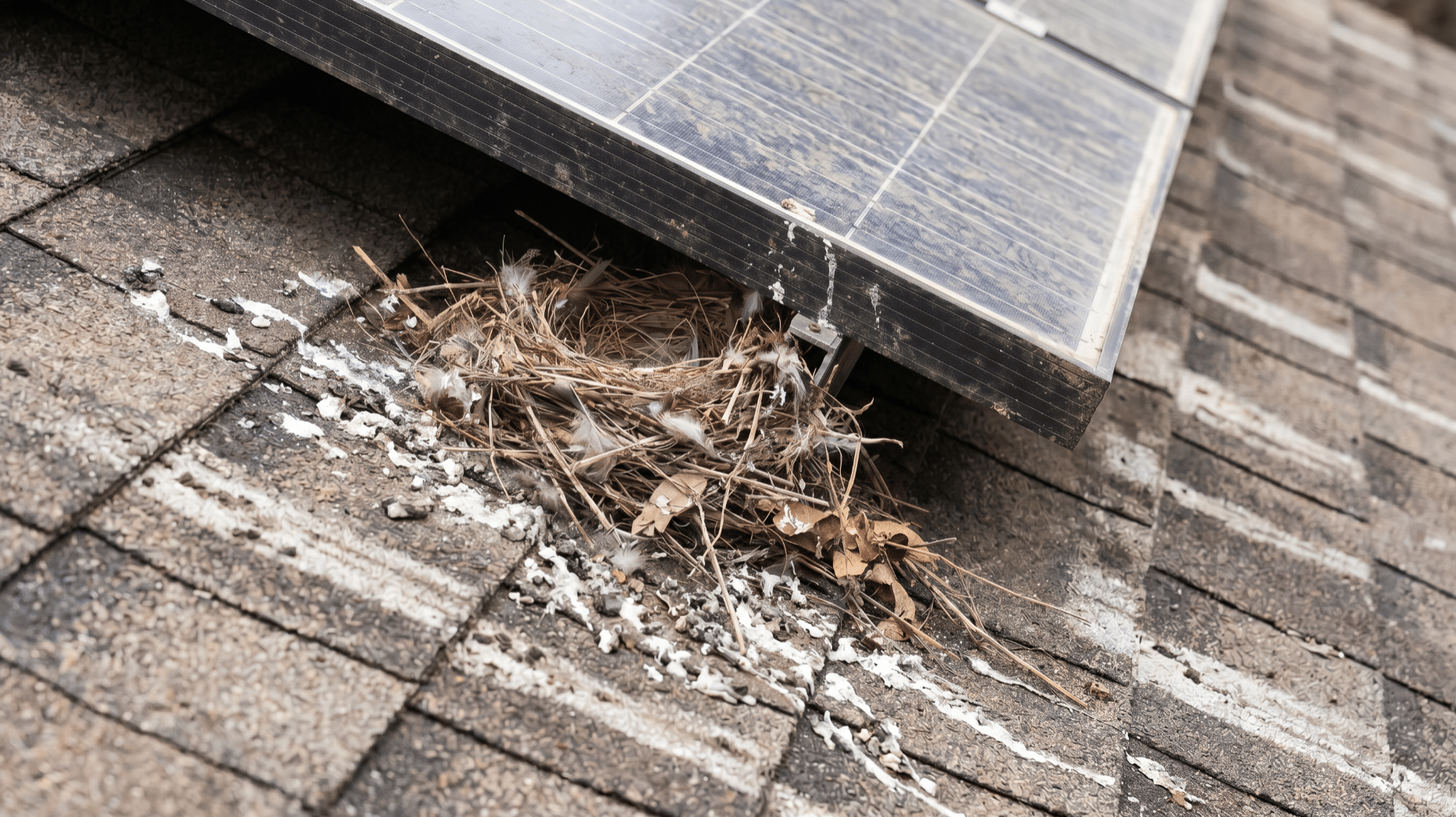
Solar panels are a particular area of concern that requires close attention.
Pigeons are attracted to the space beneath solar panels as a source of comfort and protection, where their built-up droppings lower panel performance, accelerate the deterioration of mounting fixtures, and endanger invalidating manufacturer warranties should the accumulation be left unaddressed.
It is a challenge we face often on commercial roofing throughout Merseyside.
Health and safety risks
Pest birds host bacteria that can be transmitted to humans via their droppings and feathers. Salmonella, E. coli and Psittacosis (also referred to as Ornithosis) are among the infections frequently associated with bird faeces and nesting materials.
For catering businesses, hotels and medical premises in St Helens, bird activity close to a kitchen, loading dock or outdoor storage carries the very real risk of a failed hygiene inspection or, in the most serious of circumstances, a product recall.
The risk does not end at recent deposits, as dried guano breaks down into a powdery airborne dust that presents a serious inhalation risk, especially when cleaning starts in an area that has not been appropriately treated beforehand.
A droppings clearance and disinfection appointment should take place before any deterrent installation is carried out where droppings have accumulated over a length of time.
Noise and disruption
Gulls are well-known for being noisy birds, and their actions reaches its peak in the early morning hours throughout the nesting season. Established gull colonies generate continuous and significant noise, which consistently results in complaints from nearby residents, hotels, and local businesses.
Herring gulls are known to display very aggressive behaviour when protecting their young and eggs, and there are recorded incidents of the gulls diving towards staff and customers in proximity to food establishments throughout St Helens.
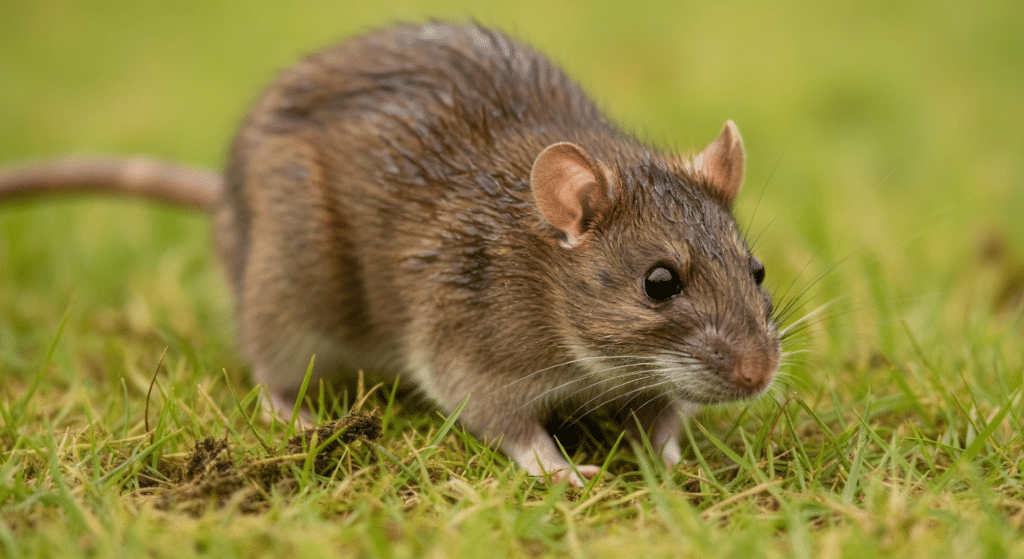
Bird droppings and nesting sites draw in secondary pests as well.
Fleas, mites and cockroaches are reliably attracted to the warmth and organic matter that a bird colony produces. A guano removal and disinfection visit is therefore frequently required before any deterrent installation takes place, ensuring that one infestation is never treated whilst another quietly establishes itself beneath it.
Common pest bird species in St Helens
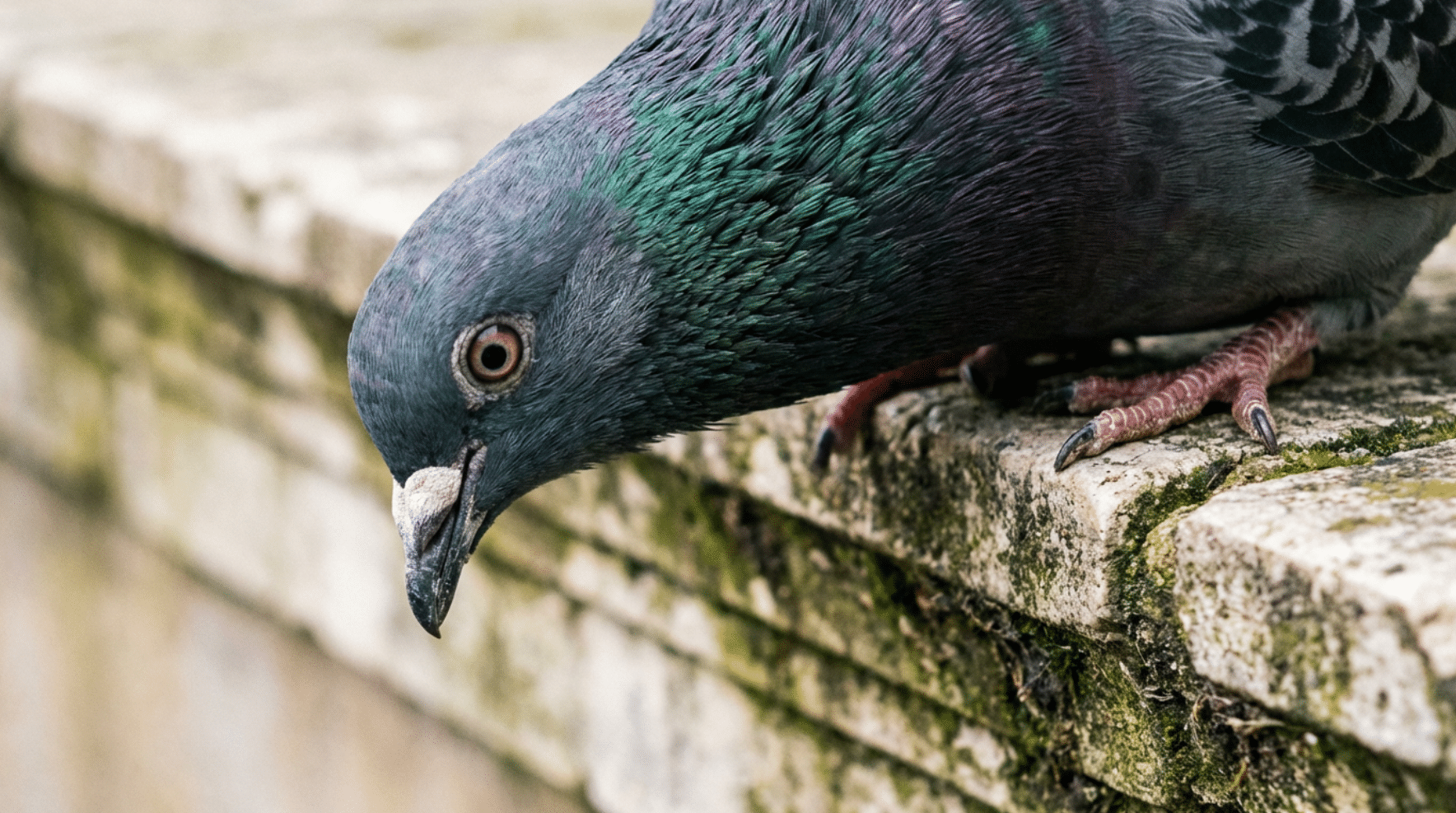
Feral pigeon control
Wild pigeons are the most persistent pest bird in UK urban areas.
A single breeding pair can produce numerous broods each year, and once a colony locates a roosting or nesting site, the draw strengthens: droppings, nesting material and pheromones attract more birds to the same spot year after year.
Our bird control work typically integrates exclusion methods such as netting or spikes on ledges and parapets with a guano removal and disinfection programme to break that cycle.
New avian creatures will frequently return to a nest site without the present material being cleared away, no matter what measures have been put in place.
Gull control
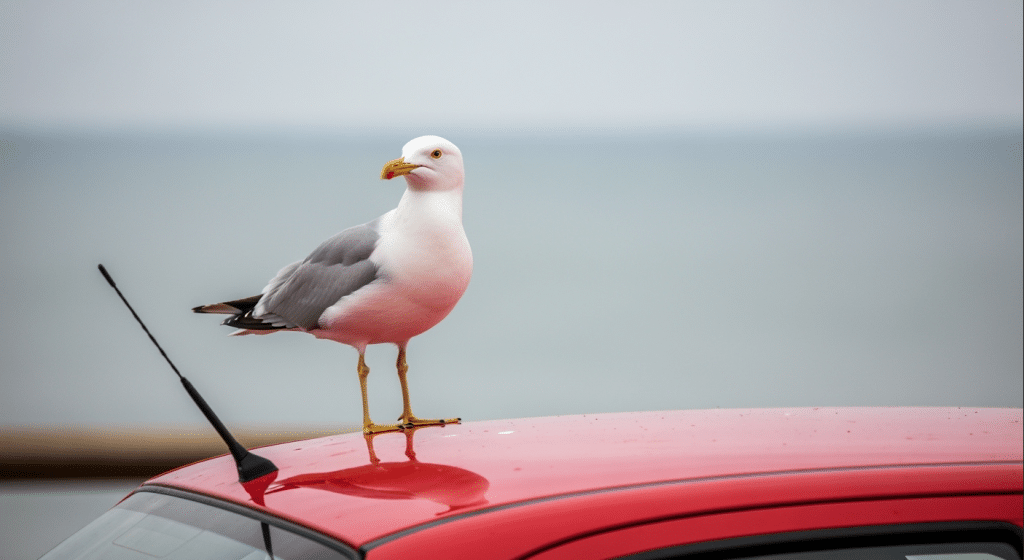
St Helens’s 2 primary gull species are the herring gull (Larus argentatus) and the lesser black-backed gull (Larus fuscus).
Each type make its nests upon flat rooftops throughout St Helens and are afforded full protection under the Wildlife and Countryside Act 1981. Lawful deterrence measures encompass habitat modification and physical exclusion systems, so long as all works are undertaken by an accredited contractor operating firmly within the established licence framework.
We supply dedicated gull control support that encompass nest and egg management under the valid general licence, where circumstances justify such intervention.
All nest removal that extends beyond standard deterrent measures demands a specific licence, and we carry out all operations rigorously within that legal framework. Errors in this area carry both legal and reputational consequences, which is specifically why using an accredited contractor is of greater importance here than with the majority of pest types.
Starlings and magpies
Starling bird murmurations around St Helens are a usual phenomenon from autumn to early spring.
When birds choose a building as their roosting site rather than simply passing above, the volume of droppings they produce can accumulate to considerable levels within a remarkably brief period.
Starlings guano has identical acidic qualities to pigeon droppings and needs the same immediate attention.
Magpies cause a complete array of unusual issues!
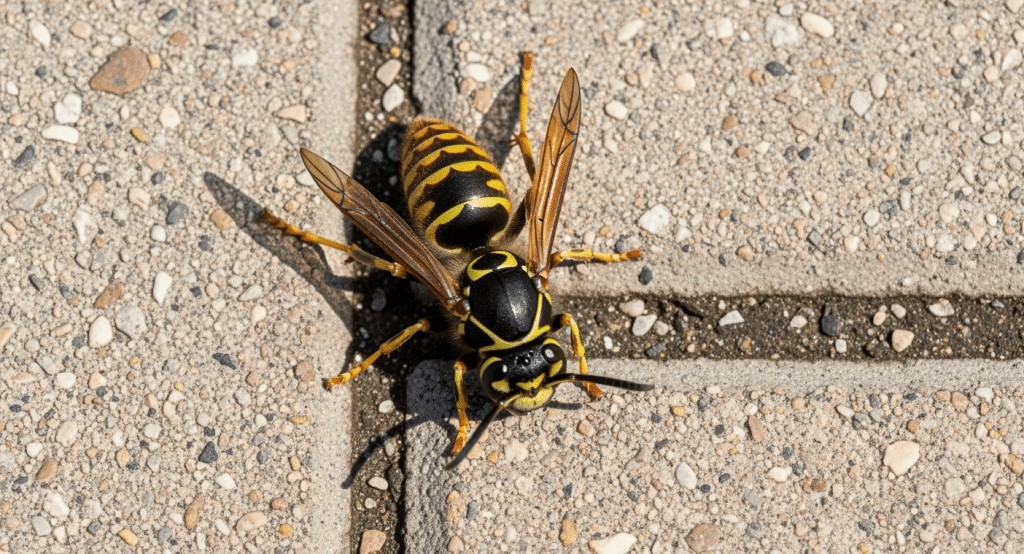
Wasps tend to establish themselves in awkward locations, being fiercely territorial by nature, and they have the potential to drive out other wildlife from both residential and business properties.
Each species could be dealt with using focused deterrents and exclusion approaches designed specifically to the building in question!
Our bird control services in St Helens
The appropriate strategy is based by the construction in question, the certain varieties found, and whether the avian are roosting, sitting, or merely employing the structure as a roosting spot.
Pest birds are notably adept at spotting weaknesses, which is just why most projects use two or three complementary methods rather than relying on a solitary deterrent to carry the full burden of protection.
Bird netting
Bird netting offers the widest coverage of any exclusion option we supply.
We put up netting throughout expansive open areas such as rooftops, undercrofts, balconies, loading bays and courtyard voids, securing it through stainless steel cable systems tightened directly to the building fabric.
The mesh size selected will invariably be determined by the target species, with finer gauges suited to sparrows and starlings whilst bigger openings are used for pigeons and gulls.
A professionally fitted netting system will endure for a 10 years or more when undergoing routine scheduled inspection.
For commercial properties where expansive roof or void spaces are a defining aspect, the initial installation cost tends to pay for itself within just a few months when weighed against the repeated cost of professional guano removal visits. It keeps birds from reaching the covered area altogether.
Bird spikes
Bird spikes are considered the best solution for ledges, parapets, signage, and any narrow surface where birds tend to land rather than nest. We install stainless steel spikes as standard, secured with either UV stable adhesive or screws according to the substrate.
Spikes do not bring about any injury to birds whatsoever. They merely make the surface disagreeable enough to perch on, prompting birds to seek out a more suitable roosting spot elsewhere.
For prominent facades or heritage buildings where visibility is a concern, polycarbonate spikes are an practical option. They are transparent and considerably less noticeable when viewed from street level.
Bird wire
Thin stainless steel wires extend between low-profile pillars, forming an wobbly landing surface for birds.
Bird wire suits wide ledges, stone sills, and heritage structures where spikes would be visually intrusive or where a discreet fixing method is required to meet planning or conservation conditions. The wire is barely visible from ground level and highly effective against larger birds.
Solar panel bird proofing
Pigeons nesting below solar solar panels is one of the most regular commercial requests we receive across Merseyside.
The cosy, protected area beneath solar panels is just the type of habitat pigeons seek out, and once a pair nests the problem multiplies fast. We fit fine mesh wire skirting along the perimeter edge of the installation, fixed firmly to the panel frame, blocking entry points without reducing airflow or affecting the panel warranty.
We also clear existing guano and nesting material from beneath the panels as part of the installation appointment.
Falconry
Falconry serves as a highly effective repellent method across expansive open sites where the actual installation of deterrents is not practical, including car parks, distribution centres, stadium surrounds and industrial estates. The introduction of a trained bird of prey establishes a living predator territory, one that pest birds come to recognise and avoid through a well-organised programme of regular visits.
Where avian pressure remains a persistent challenge during the year, a scheduled programme of regular visits proves far more effective than depending on a single one-off session, and we are ideally positioned to arrange ongoing visits for those sites that demand consistent attention.
Commercial and domestic bird control in St Helens
Commercial
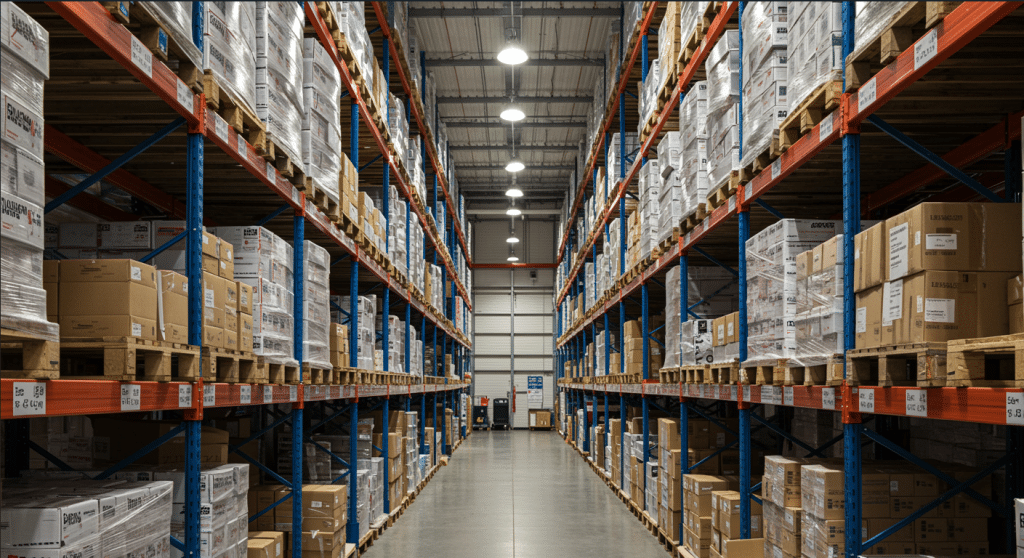
On the commercial front, we proudly serve food establishments, hotels, warehouses, car parks, office blocks, and industrial premises throughout St Helens.
Commercial avian control typically involves larger areas and complicated installations. We work around your work operations to keep disturbance to a minimum.
For food-handling premises, managing bird activity is as much a matter of regulatory compliance as it is one of property management. We are able to provide full documentation of all work undertaken to fulfil environmental health requirements. This kind of detailed record keeping is a standard expectation for larger businesses and those operating across multiple sites.
Domestic
For residential properties, the most frequently reported problems involve pigeons making nests within loft spaces or beneath eaves, gulls nesting upon flat rooftops, and birds gaining access beneath solar panels on family homes.
Household jobs are typically more limited in scale and quicker to complete!
BPCA accredited technicians perform all treatments, delivering a humane and transparent fixed price service alongside a complimentary survey before any commitment being made.
How it works
Get in touch with us now by calling 0151 459 5444 or by completing our online enquiry form and a member of our team will contact you. We will simply ask you a few straightforward questions regarding the species concerned, the type of property, and the duration of the problem.
A complimentary site survey signifies one of our experienced technicians will attend directly to your home to assess everything firsthand, pinpointing roosting spots and access points before recommending the most effective set of deterrents for your needs. And the top benefit? There is absolutely no cost and no obligation to go ahead at all!
We offer a written fixed price quote for the recommended installation. The agreed price remains fixed with no additional charges on the day.
Our expert technicians complete every installation at a hour that is convenient for you, and for commercial projects, arrangements can frequently be made to execute the work outside of regular business hours, provided that access to the premises permits.
We offer guidance on any continued maintenance or monitoring required and remain on hand should the issue return or fresh pressure emerges in a neighbouring area.
Why choose Liverpool Pest Control Co.
BPCA accreditation
Each one of our bird control experts possesses certification from the British Pest Control Association (BPCA).
Our BPCA certification ensures that every member of our group is trained to the latest industry criteria, fully knows their responsibilities under the Wildlife and Countryside Act 1981, and functions within a recognised framework of professional conduct. For our commercial clients, this accreditation is frequently a mandatory supplier requirement, and we are happy to provide written confirmation of our accreditation status upon request!
18 years of experience in St Helens and Merseyside
For in excess of 18 years, we have been tackling bird control issues throughout the Merseyside region.
That expertise leads to quicker and more accurate identification of concerns.
Our broad experience with like building types has provided us the understanding to spot successful solutions and potential pitfalls with confidence and promptness.
Humane methods and legal compliance
Wild fowl are protected by the Wildlife and Countryside Act 1981, and that controls everything we do.
All of our standard installation methods, including netting, spikes, and wire, are completely harmless to birds and cause no injury whatsoever. Where methods that could cause injury are employed, we operate strictly within the boundaries of a legally obtained licence, and all usage of that licence is thoroughly documented.
Our services guarantees customers remain unaffected by regulatory scrutiny and neighbour complaints.
Bird control St Helens: your questions answered
How much does bird control cost in St Helens?
The overall price is determined by the variety in question, the type of property, and the treatment method required. We always provide a set price following the complimentary site survey, ensuring you have complete understanding on your financial commitment before any work commences.
Do you offer emergency call-outs?
Yes. Our 24/7 emergency helpline handles urgent situations where bird activity presents an immediate health or safety risk. For pre-arranged deterrent installations, we can usually organise a survey within a short time and plan the work around your business hours.
Get your free bird control survey in St Helens
If avian creatures are creating issues at your property in St Helens or Merseyside, organising a free survey is definitely the right place to begin.
We will describe explicitly what the process comprises, what the associated costs will be, and how swiftly we are able to resolve it.
Call 0151 459 5444 at any hour as our emergency helpline operates around the clock, or email office@liverpoolpestcontrolco.co.uk.
There is totally no obligation following the assessment, and the firm quotation we supply afterwards ensures there are no unforeseen costs on installation day.
You can also submit a survey request online via our contact forms and we will call you back at the earliest opportunity.