
Pigeons are so common in British towns and cities that most people barely notice them. They roost on ledges, nest under bridges, and gather wherever there’s food to scavenge.
While they may seem harmless. Pigeons carry serious health and safety concerns which can be harmful to humans.
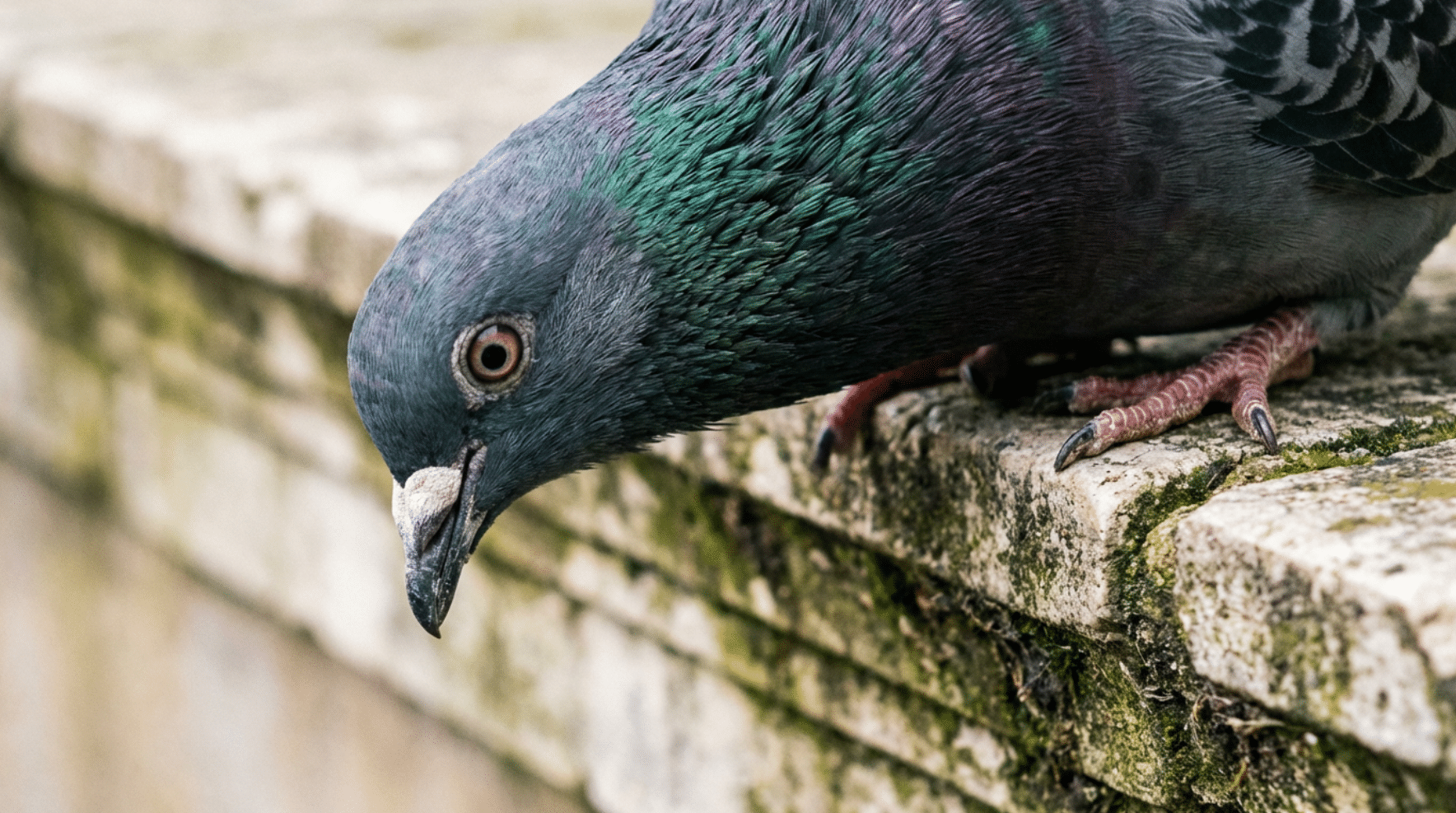
According to the British Pest Control Association (BPCA), around 49% of feral pigeons in the UK are infected with diseases that can cause harm to humans.
Here are the five most significant diseases that pigeons can pass to humans in the UK, by experienced Liverpool Bird Control Experts.
1. Psittacosis
Psittacosis is a bacterial infection caused by Chlamydia psittaci, an organism that lives in the respiratory tracts and droppings of infected birds.
It’s sometimes called ornithosis or parrot fever, although pigeons are one of the most common carriers in urban environments.
Public Health England recorded 11 confirmed cases of psittacosis in 2024. Although, the true number is likely higher because mild cases often go undiagnosed or get mistaken for flu.
You catch psittacosis by breathing in dust from dried pigeon droppings or feathers that contain the bacteria. It doesn’t require direct contact with a live bird.
Cleaning out a loft space where pigeons have been roosting, pressure-washing a balcony covered in guano, or even walking through a heavily contaminated area can expose you to enough bacteria to cause infection.
Symptoms of psittacosis
Symptoms usually appear between one and four weeks after exposure.
Most people develop a high fever, headache, and a dry cough that can progress to pneumonia if left untreated.
Muscle pain, fatigue, and breathlessness are common too.
In older adults or people with weakened immune systems, psittacosis can become severe enough to require hospitalisation, and in rare cases it can be fatal.
Thankfully, psittacosis responds well to antibiotics when it’s caught early. The difficulty lies in getting a correct diagnosis, because GPs (and patients) don’t always connect pigeon exposure to what appears like a chest infection.
2. Cryptococcosis
Cryptococcosis is caused by Cryptococcus neoformans, a fungus that thrives in the nitrogen-rich environment of pigeon droppings.
The organism can survive in dried guano for years, long after the pigeons themselves have moved on.
What makes cryptococcosis particularly concerning is what it can do once it enters the body.
The fungus is inhaled as microscopic spores, and while healthy people might fight off a mild lung infection without even knowing they had one, those with compromised immune systems face a much more dangerous outcome.
Cryptococcus neoformans has the ability to cross the blood-brain barrier, causing cryptococcal meningitis, a condition with a mortality rate of up to 30% even with proper medical treatment.
Symptoms of cryptococcosis
Lung infections may cause coughing, chest pain, and shortness of breath.
If the infection spreads to the brain, symptoms include severe headache, confusion, neck stiffness, and sensitivity to light.
3. Histoplasmosis
Histoplasmosis is another fungal infection associated with pigeon droppings, caused by Histoplasma capsulatum.
The fungus grows in soil enriched by bird droppings, and its spores become airborne when contaminated material is disturbed.
Construction workers, roofers, and anyone involved in demolition or renovation of buildings with pigeon infestations are at higher risk, because these activities stir up dust that may contain concentrated levels of the fungus.
While histoplasmosis is more commonly associated with warmer climates, cases do still occur in the UK.
The severity of the infection largely depends on how many spores were inhaled and the person’s overall health.
Symptoms of histoplasmosis
Most healthy adults who inhale a small number of spores won’t develop any symptoms at all, or they’ll experience something resembling a mild cold.
But heavier exposure can cause fever, cough, fatigue, and chest pain that lasts for weeks.
In people with suppressed immune systems, histoplasmosis can become a chronic condition affecting the lungs, and in severe cases it can spread to other organs including the liver, spleen, and bone marrow.
There’s no vaccine for histoplasmosis.
Prevention comes down to avoiding exposure to contaminated dust, which means professional guano removal with appropriate respiratory protection rather than attempting to clean up pigeon droppings yourself.
4. Salmonellosis
Salmonella bacteria are carried by a wide range of animals, and pigeons are no exception.
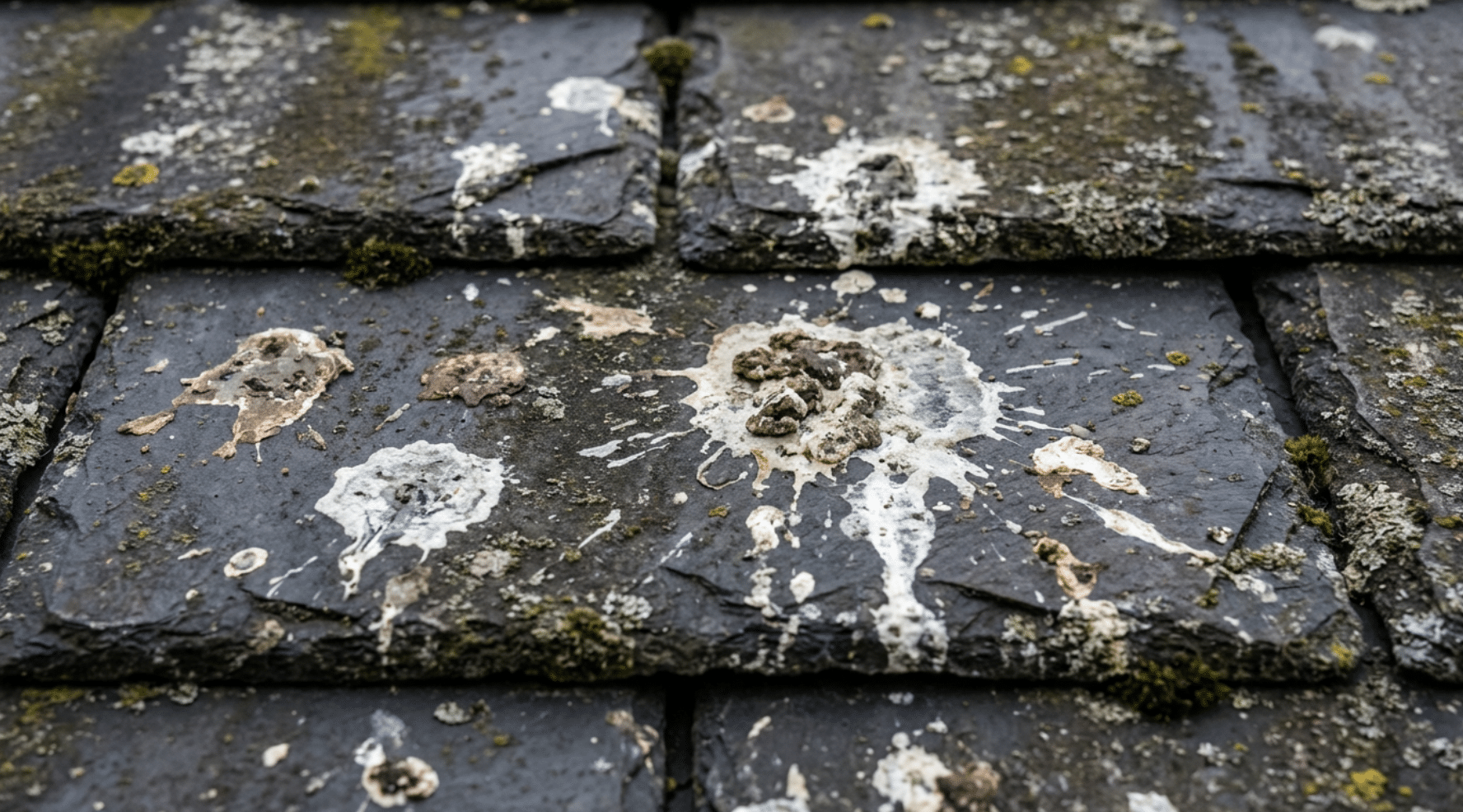
Pigeons contract salmonella through contaminated food and water, and they shed the bacteria in their droppings. From there, it can contaminate surfaces, water supplies, and any food that comes into contact with pigeon waste.
This is a particular concern for food businesses as salmonella can pass into the food chain. Environmental health officers take pigeon infestations at food premises seriously for exactly this reason, and businesses have been prosecuted under food hygiene regulations where pigeon contamination was a contributing factor.
Symptoms of salmonellosis
Salmonella infection typically causes diarrhoea, stomach cramps, fever, and vomiting within 12 to 72 hours of exposure.
Most people recover within a week without medical treatment, though it can be more serious in young children, elderly people, and those with weakened immune systems. S
evere cases may lead to dehydration requiring hospital admission, and the bacteria can occasionally spread from the gut into the bloodstream.
The UK sees tens of thousands of salmonella cases every year from all sources.
While pigeon droppings aren’t the most common route of infection (contaminated food products account for far more cases), they represent an avoidable risk that professional bird control measures can eliminate.
5. E. Coli Infection
Escherichia coli, usually shortened to E. coli, is a broad group of bacteria found in the gut of birds and mammals.
Most strains are harmless, but some produce toxins that cause serious gastrointestinal illness.
The transmission route is similar to salmonella.
Droppings contaminate surfaces, and the bacteria enter the body through hand-to-mouth contact or through food and water that has been exposed to pigeon waste.
Playgrounds, outdoor eating areas, and flat rooftops where rainwater collects and mixes with droppings are all potential sources of exposure.
Symptoms of E. coli infection
Symptoms include stomach cramps, diarrhoea (which may be bloody), nausea, and sometimes a low-grade fever.
Most infections clear up within a week, but certain strains can cause serious conditions that affects the kidneys and blood clotting.
Other health risks from pigeons
Beyond these five main diseases, pigeons carry additional health risks worth knowing about.
Bird mites and ticks that live on pigeons can transfer to humans when nests are located close to living spaces, causing itchy bites and skin irritation.
Pigeon feather dust and dried droppings can also trigger allergic alveolitis, sometimes called bird fancier’s lung, a condition where repeated exposure to bird proteins causes inflammation in the lungs. Over time, this can lead to permanent scarring and reduced lung function.
Aspergillosis is another fungal infection linked to environments where pigeon droppings accumulate. Caused by Aspergillus fungi, it primarily affects people with existing lung conditions or compromised immune systems.
Who’s most at risk from pigeon diseases?
Not everyone faces the same level of risk from pigeon-borne diseases.
The people most vulnerable include those with weakened immune systems, the elderly, young children, and anyone with chronic lung conditions such as asthma or COPD.
Pregnant women should also exercise caution around heavy pigeon contamination.
Occupational exposure is a significant factor too.
Maintenance workers, roofers, construction crews, and anyone working in or around buildings with pigeon infestations face higher exposure levels than the general public.
Protect yourself with professional bird control
The single most effective way to reduce health risks from pigeon diseases is to prevent pigeons from roosting and nesting on your property in the first place.
Liverpool Pest Control Co. specialises in professional bird proofing measures including netting, spike systems, and bird wire to deter birds from your property. We can also safely clean contaminated areas to restore safety to your area.
Call our expert team today on 0151 459 5444 to learn more about our services.